
How Filtermist grew its service business on MobileWkr.
Service visits, LEV tests, installations and site surveys for oil mist, smoke and fume extraction.
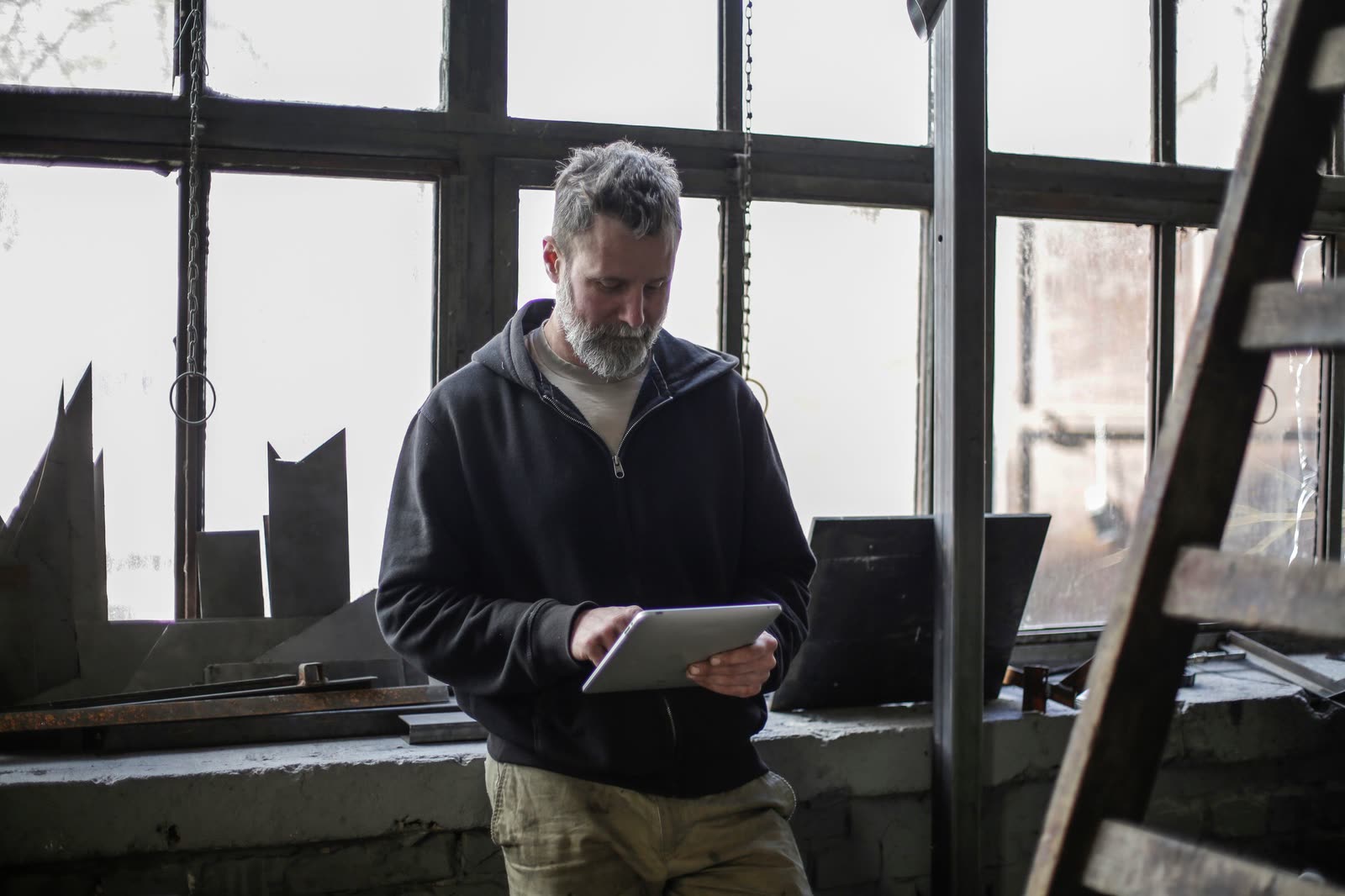
Read the Filtermist storyYour engineers test every hood and duct, then spend the evening typing it up. With MobileWkr they record the readings once, beside the system, and the signed report is with the office before they are back in the van.
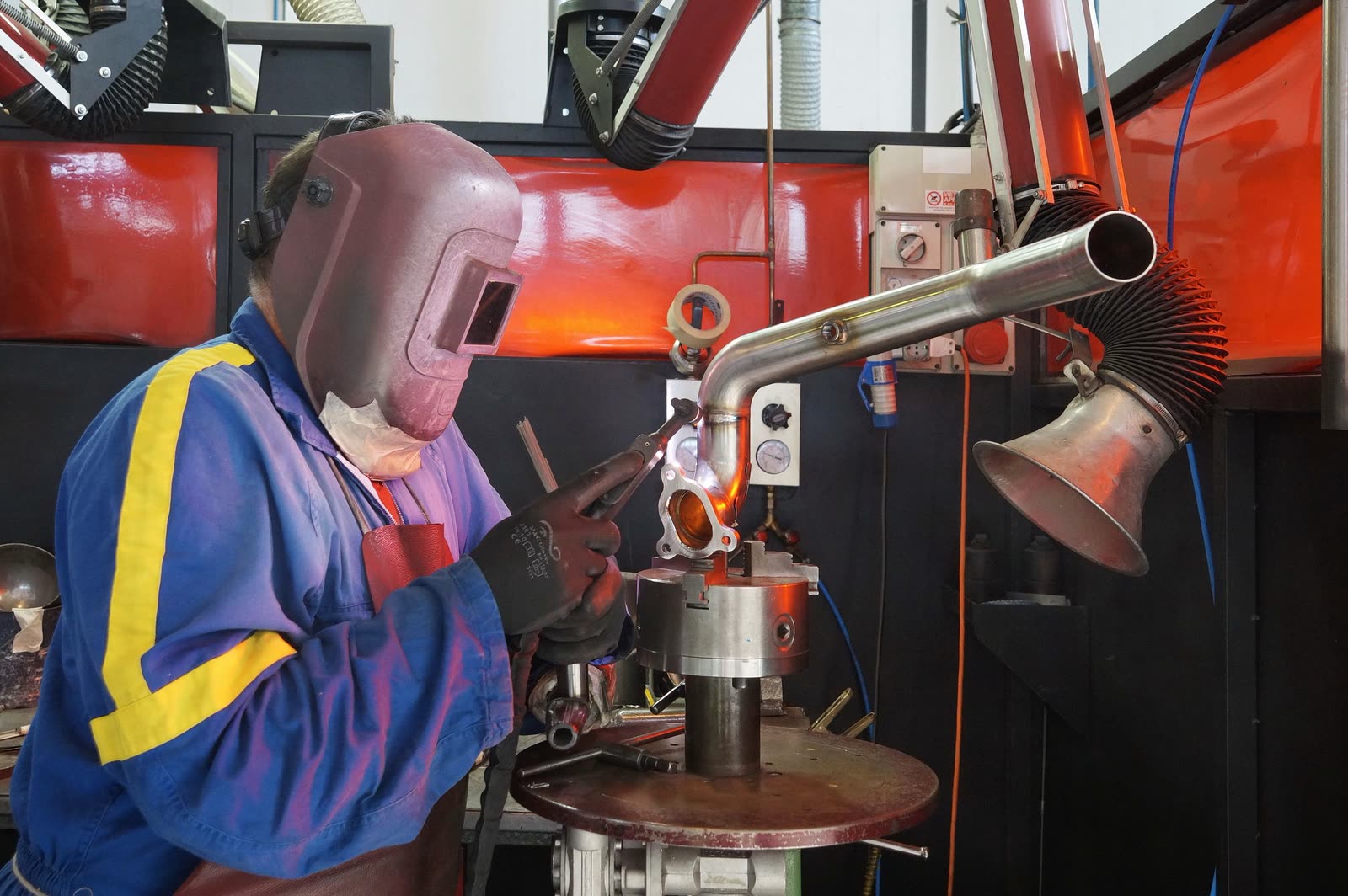
Under COSHH regulation 9, most local exhaust ventilation must have a thorough examination and test at least once every 14 months, and some processes more often.
HSE guidance HSG258 sets out how the examination is done and what the report must contain. MobileWkr does not replace the examiner's judgement. It makes sure every reading, photo and conclusion lands in a report that matches the guidance and your own layout.
Source: HSE: local exhaust ventilation, frequently asked questions
Every system keeps its readings from earlier visits. When a face velocity drops, your engineer and your office both see it.
A site with six extraction systems gets six LEV reports, each signed and built automatically, plus the job sheet and risk assessment.
The office can see when each system was last tested, so the next visit is planned from facts, not from a spreadsheet.
Every step happens in MobileWkr, so nothing is copied from one place to another.
Service visits, LEV tests, installations and site surveys for oil mist, smoke and fume extraction.
Read the Filtermist storyAsk us anything else in the demo.
Yes. We set up your LEV form and report layout to match HSG258 and your own branding. The engineer records the readings, photos and verdict on the tablet, and MobileWkr builds the signed PDF report as soon as the job is signed off.
Yes. Every machine and system keeps its full visit history, newest first, with the readings from each visit. The office can open it from the job, the site or the customer.
Yes. The tablet app works with no signal at all and sends the job when it is back in range. Nothing is lost and nothing is sent twice.
Engine servicing, method statements, risk assessments and waste transfer notes for combined heat and power.
LOLER thorough examinations, with a history for every crane, hoist and accessory.
Examinations to a written scheme, compressor servicing and pressure vessel records.
Planned maintenance, F-gas leak checks and service reports for building plant.
Send us a blank copy of the form your engineers use today. In the demo we will show it to you on the tablet, and as the signed PDF your customer receives.